 Auto
Auto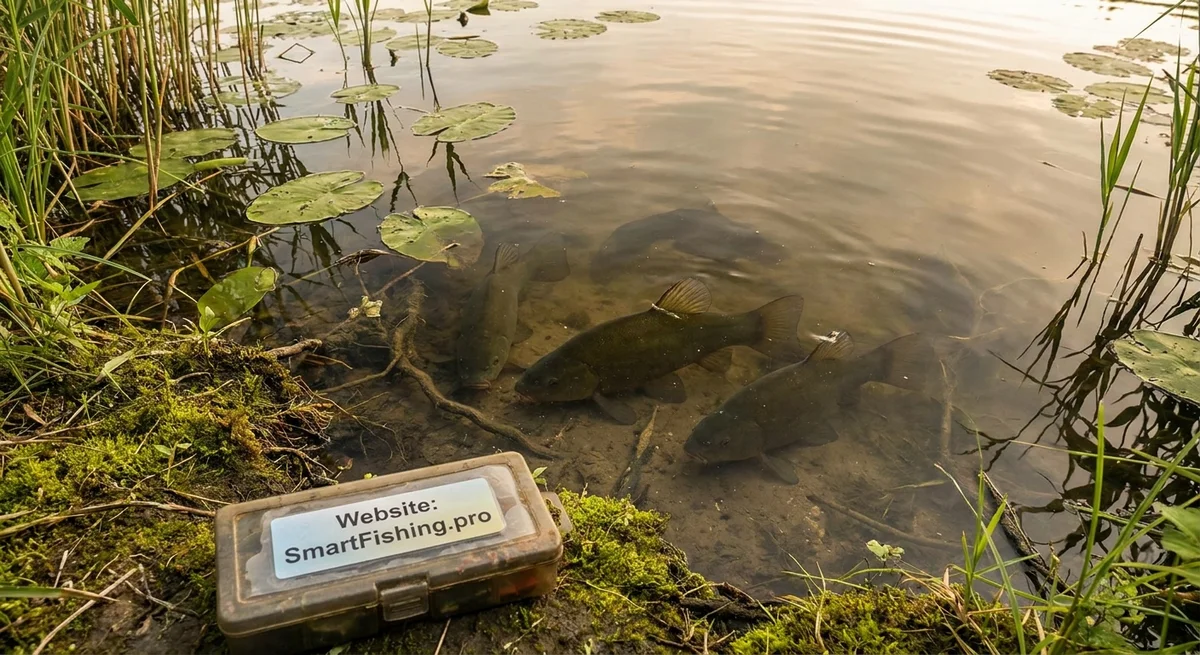
June Tench Behavior: Post-Spawn Patterns and Feeding Windows
Tench are freshwater coarse fish prized by anglers, and understanding their behavior in early summer can greatly improve catch rates. As waters warm in late spring and early summer, tench complete their annual spawning and then shift into a heavy-feeding phase. Spawning timing varies by region – for example, in warm southern lakes tench may spawn as early as April–May, whereas in cooler northern waters spawning often doesn’t begin until June (fishbase.se) (www.fishbase.se). In fact, FishBase notes that tench generally spawn between May and September (depending on latitude) at water temperatures around 19–20 °C (www.fishbase.se). A UK environmental database similarly reports tench spawning mainly from May through August, with water temperatures of roughly 20–24 °C (storefish.org). In practical terms, this means that by mid-to-late June –especially in temperate regions – many tench have already spawned or are winding down spawning activity, and their behavior is shifting back to feeding.
Spawning Temperature Thresholds
Tench spawning is closely tied to water temperature. Most sources agree that tench need fairly warm water (roughly 18–22 °C) to begin spawning. For example, one reproduction summary reports spawning occurs at about 19–20 °C (www.fishbase.se). Another fisheries guide notes tench spawn in shallow, weed-filled water when temperatures reach about 20–24 °C (storefish.org). In aquaculture, tench are not ripe at lower temperatures – breeding manuals show that induced spawning typically occurs only when water is around 23–24 °C (www.fao.org). In short, as spring lakes warm into the high teens to low twenties Celsius, tench enter their spawn period. Anglers can use this as a rule of thumb: when shallow water is in the high teens, look for spawning activity; once it climbs above ~22 °C, expect spawning to peak and then finish.
Post-Spawn Feeding Behavior
After spawning, tench are hungry. Like many fish, tench use stored energy to reproduce, so once the spawn is over they feed vigorously to recover condition. Angling experts frequently note that summer tench feed “enormous amounts of food” in warm water (strikeandcatch.com). One fishing guide specifically advises that mid-summer tench sessions can turn into a “real feeding frenzy” if you get them interested (strikeandcatch.com). In practice, this means anglers should capitalize on the post-spawn feeding rush. Steady warm temperatures (well above 15–18 °C) keep tench active, and once spawn is over they will eagerly take bait and particles. Many bait choices work well post-spawn, but high-protein or sweet baits (corn, worms, cheese) often trigger a strong response. Remember, water cooling a few degrees after spawn does not immediately shut down feeding – if midsummer temperatures persist, tench will continue eating vigorously to build up before autumn.
Peak Bite Times by Time of Day and Weather
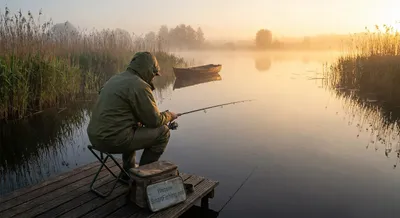
Angler logs and fishing guides suggest specific windows when tench bite best. These times shift as the season changes. In summer (June onward), the prime window tends to be early morning through mid-morning. One experienced angler reports that “in summer, the hours between very early morning and early noon tend to work best for tench” (strikeandcatch.com) (strikeandcatch.com). This matches general practice: after a cool night, the warming water at dawn awakens tench, and the lower light levels make them more confident to feed. In contrast, during spring (pre-spawn) tench may bite better in the evening, but by June the summer pattern of early-day feeding dominates (strikeandcatch.com).
Although tench are often described as nocturnal, they will readily feed during daylight in warm conditions. In fact, studies of carp-like species note that tench have a hardwired night-time activity rhythm (www.sciencedirect.com). In practical terms, this means dawn and dusk can be good, but strong bites will also occur on warm summer mornings when the water is heated yet light is still gentle. Anglers often set rods out before first light and find bites as the sun rises (strikeandcatch.com) (strikeandcatch.com). In midsummer, late mornings may slow down only when bright sun pushes tench deeper or into thick cover.
Weather and other conditions also influence bite timing. Very calm, warm, overcast days are often best for tench. One guide notes that calm southerly winds, slowly falling barometric pressure, moderate temperatures, and an overcast sky tend to produce strong tench activity (strikeandcatch.com). Fishing immediately before or after a storm front can be rewarding, as changes in pressure often trigger feeding. Conversely, sudden cold spells or high winds may shut tench down. In warm June weather with gentle breezes or cloud cover, target the morning window for peak action. On stable summer days, bites may also pick up again late in the afternoon as light wanes slightly.
Recognizing True Feeding vs. Spawning Activity
In June, anglers may see tench milling about in shallow water. It is important to distinguish real feeding from mere cruising or spawning displays. True feeding signs include steady, calm fish movements and nose-down scoops at the bottom. For example, when tench are feeding, you might see bubbles repeatedly rising near your baited spot – a sure sign they are gulping in bait (strikeandcatch.com). Rods should be put in when you observe fish “snorting” quietly among weed or bottom debris.
By contrast, spawning behavior looks different. Spawning tench often move quickly in pairs or groups and will frequently splash or thrash on the surface of shallow weed beds (www.fao.org). In hatchery tanks, tench even splash water to signal the start of spawning (www.fao.org), so any vigorous splashing or chasing (and fish ignoring your bait) likely means reproduction is happening, not feeding. Similarly, cruising fish may glide near your bait but without obvious interest. If you see tench circling without taking bait or see erratic, fast darts (often in clear shallow water), these are probably non-feeding activities (either territorial or spawning).
In short, take your bait out only when you have a strong feeding indication: fish holding station with head down, slow mouth movements, or periodic bubbles at food. If all you see is a lone fish swimming by slowly, or a group thrasher, wait it out. When a genuine feeding sign appears, be ready: bites can come quickly once a hungry, post-spawn tench is committed to your bait (strikeandcatch.com) (strikeandcatch.com).
Conclusion
By early to mid June, tench fishing shifts from avoiding spawn time to targeting hungry post-spawn fish. Knowing local spawn timing and watching water temperature (aim for ~18–22 °C) tells you when spawning wraps up. Once spawn is over, fish tend to feed heavily in warm water. The most productive fishing windows are often dawn through mid-morning under stable, mild weather (strikeandcatch.com) (strikeandcatch.com). Watch for true feeding cues like bubbles or steady dipping and ignore signs of spawning or simple cruising. With warm temperatures, patient baiting, and timely fishing, anglers should find June tench making up for lost time – and filling their nets.