 Auto
Auto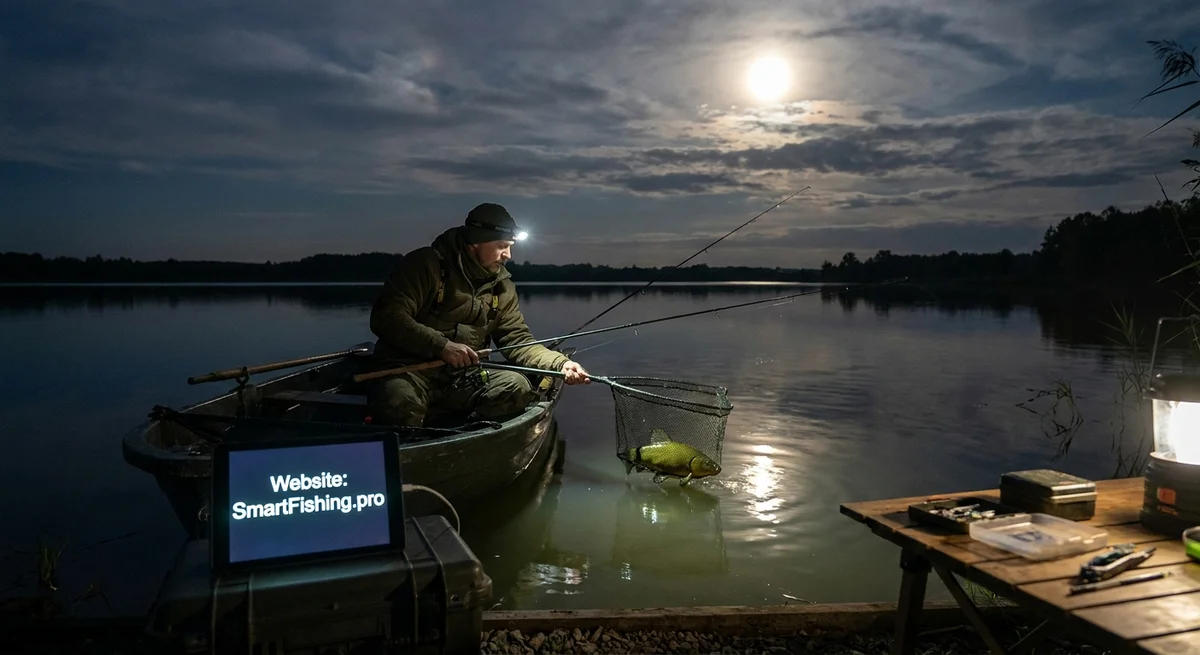
Introduction
Many anglers wonder if the moon or other natural forces affect tench fishing. People often say full moons or bright moonlit nights make fish bite, while others think geomagnetic storms change fish behavior. In reality, science shows tench are fed up by dark nights and quiet water, not just moon glow. We will look at evidence about moonlight, geomagnetism, and when tench feed. We’ll separate fact from legend and consider other factors like water temperature and fishing pressure. Finally we give tips on fishing at night, showing how to spot bites and use lights without scaring shy tench.
Tench Feeding Habits
Tench (Tinca tinca) live in still, weedy waters. They often feed at night and in low light. In lab studies, tench were most active in complete darkness. For example, one experiment found tench in tanks only moved around at night and were quiet during the day (researchers.uss.cl). Even when scientists fed them during the day, the tench still waited for darkness to swim. In short, “tench is a species with a strictly nocturnal behavior” (researchers.uss.cl). This means tench naturally prefer to search for food when it’s dark.
Other notes from fishing guides say tench like evening or dawn, which is consistent: dusk is when light drops. But the lab work shows they really like the dark. They graze on snails, worms and plant material at night. In warm months, tench may come to shallow margins to feed. They often shoal together in late spring and summer (before spawning) and will feed freely in dark conditions (anglingscotland.org.uk). In cold winter, tench are sluggish and less likely to feed at any time (anglingscotland.org.uk).
Moonlight and Lunar Effects
When the moon is out, nights are brighter. A full moon night might let tench see better or make them hide from predators. A new moon brings darker nights. Does tench feeding change with moon phase? Science gives mixed clues.
Some studies of other fish show lunar cycles matter. For example, one lab study of a tropical fresh-water fish found energy use was higher at full moon (www.sciencedirect.com). This suggests fish were more active then. Another example: reef fish larvae grew fastest around the last quarter moon, not full moon (www.nzgeo.com),because their tiny prey (plankton) comes up at a special time. However, tench eat bottom-dwelling organisms, not plankton, so this doesn’t transfer directly.
In practical fishing data, catches often vary with the moon. One fisheries study found marine catch rates peaked around the new moon and dropped at the full moon (agris.fao.org). In another study, northern pike were caught more often around both full and new moons (www.sciencedirect.com). This sounds confusing: if some fish bite more at full moon and some at new or quarter phases, the moon’s effect may depend on species and location.
Key point: A pattern in catch rates does not prove the moon causes it. Often many things change with the moon or with the seasons. For example, new moons and full moons happen at different times of year, which can affect water temperature and weather. Also, fishing effort might change–more anglers might fish on full moon nights, or fishermen’s habits might coincide with lunar cycles.
So for tench, no strong evidence that bites change simply because of moon phase. Tench do feed at night, but one cannot say “full moon is best” from current science. It’s safer to watch water and temperature, and maybe try fishing on several nights to see a real pattern in your lake.
Geomagnetism and Fish Behavior
Earth’s magnetic field is like an invisible grid around us. Many fish can sense magnetic fields – scientists call this magnetoreception. Fish like salmon, eels, and even carp use magnetism to navigate or orient (texasflycaster.com) (pmc.ncbi.nlm.nih.gov). For instance, common carp at a Czech fish market were observed to align their bodies north-south (pmc.ncbi.nlm.nih.gov) (pmc.ncbi.nlm.nih.gov). This shows they can sense Earth’s magnetism.
Solar storms and space weather can jiggle Earth’s magnetic field. Some theory says this might affect fish: if the field shifts, fish might change depth or confuse their internal compass (texasflycaster.com). However, research on feeding shows little clear effect. One study on pike mentioned changes in catch with magnetic activity, but it stressed that temperature and fishing effort had bigger effects (www.sciencedirect.com). In short, while fish can feel magnetism, we lack solid proof that magnetic storms make tench bite more or less. It’s an interesting idea, but not a reliable fishing guide.
Other Factors: Temperature and Angling Pressure
Often, things like water temperature and angling pressure are more important than moon or cosmos.
-
Temperature: Tench feed best when water is warm but not boiling. If nights are cool (early spring or autumn), tench slow down and may not bite much, even if the moon is bright. On a warm summer night, tench metabolism is high and they may search for food after dark. In general, warmer water = more fish activity. This is true for most fish (www.sciencedirect.com) (studies of carp and trout show they eat and grow faster in warmer water). So always check water temperature as a clue: a 60°F (16°C) night will bring more bites than a 50°F (10°C) night, regardless of moon.
-
Angling Pressure: Heavy daytime fishing can make fish shy. A cool piece of science here: a study of pike catches found that recent intense fishing on a lake lowered next-day catch rates (www.sciencedirect.com). This means if everyone fished your lake hard yesterday, the fish might hide today. For night fishing, this is good news: fewer anglers fish after dark, so the lake is quieter. If tench are spooked by daytime noise, night sessions give them peace to feed.
So, if a lake is busy in daytime, try fishing at night. Or if you’ve been there a few hours with no luck, take a break and come back after sunset. Also remember weather matters: fish bite in stable conditions. Pressure jumps or storms can shut fish down more than a moon in the sky.
Night Fishing for Tench
Given tench like darkness, night fishing can be very productive. Here are some actionable tips:
-
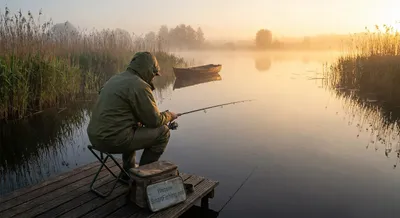
Timing: Start fishing when it gets dusky. The hour or two after sunset is often good: water isn’t totally dark, and fish begin to stir. But true night can also bring bites. In warm summer, tench may even feed right through the night. In cooler weather, the best bite might be just at dusk and around midnight. There is no fixed “best moon phase” known, so plan to fish on nights when you can relax. A clear summer night might be fine, or even a cloudy new moon night can work if water is warm.
-
Location: Tench like edges with plants or deeper holes. At night, try edges of weed beds or shallow cover. Because it’s dark, tench feel safer coming in to feed under cover. Use bait where daytime anglers might not, like shallow margins or just beyond a snag.
-
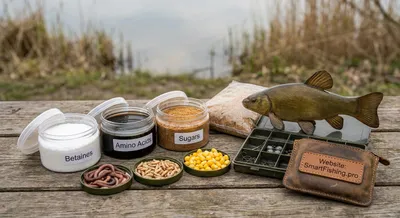
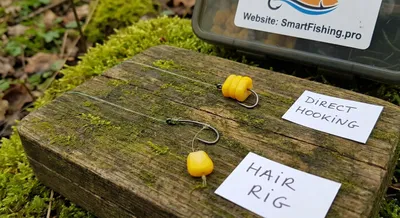
Bait and Prebait: Night fishing for tench is similar to day: sweet corn, worms, maggots, or specially prepared pellets work. Pre-baiting an area is wise: scatter bait a few nights before. Tench have good memories for food spots. If you’ve built up a patch of hemp or corn, tench will find it even if you come after dark.
-
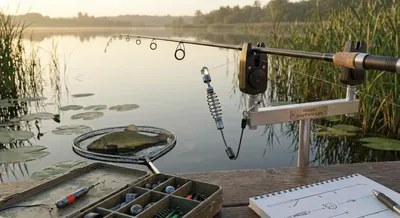
Bite Indication: At night you must see (or hear) bites. Use bite indicators like luminous floats, bobbins, or electronic alarms. For tench, many anglers use a ledger rig with a bobbin or swing-tip. A bobbin hangs a small glowy light (or phosphorescent stick) on the line; a movement makes it jiggle. Electronic bite alarms (with a small speaker) are also popular: they beep and flash when the line twitches. Even using a light self-microphone (sometimes called an “insta-fish alarm”) that sits on the water can work for floats.
- Example Indicators: There are glow battery bobbins that light up when a fish pulls. Or a clip-on LED light on the tip of the rod (a rod-light) shows tip movement. Even a simple “clicking” bite bead on a swing-tip can let you hear faint tugs. The key is sensitivity: tench bites in the dark can be very light, so choose a soft bobbin/speed clip or a sensitive alarm setting. Test your setup at home: a mouse dropping on your line should trigger it if set right.
-
Lighting: Use light carefully. Bright white lamps can spook tench (and all fish). Instead, use a dim red or green light. Fish see red light poorly, so a red LED headlamp lets you see without blinding the fish. Aim any light away from the water surface. Keep the beam down low at the ground or your gear, not shining on the rod tips or water. Even better, squeeze your eyes to adapt to dark and only glimpse your hands by moon or a tiny red light. Remember: “city lights may disrupt natural cycles” (www.nzgeo.com), so minimize your glow!
-
Gentle Approach: Move quietly. Slip and tap sounds carry at night. Carry gear softly and avoid banging. Keep voices down if fishing with friends. Wear dark or camo clothing – bright colors silhouette in your light. Fish can see shadows on the bottom, so stay off the bank silhouette as much as possible (don’t stand right by rods moving).
-
Light Patterns: Never shine a lamp onto your bite indicators; it spoils your night vision and flushes the fish. If you must check your bobbin or bait, use momentary light only, like a flashlight tap. An even better trick: use glow-in-the-dark bobbins or rods. Cheap glow-sticks or pellets on your gear can let you see without real light. Some anglers use luminescent paint or threads near the kite of the bobbin or tip of a mini float. This way, even a red headlamp or a quick torch flash shows the glowing part with minimal disturbance.
Adapting for Shy Feeders
Tench are often called shy feeders, meaning they get nervous around big disturbances. Here’s how to tip the balance:
-
Quiet Bite Detection: A bobbin or micro swinger keeps you further from the rod tip (a quiet catchers). Imagine the fish nudging a bean on your line – a sensitive light bobbin will wobble gently and be easy to spot. If using a float, a thin antenna light on the float (a small glow-edge folded float) works. The idea is to make your bite signal as invisible as possible to the fish.
-
Soft Tackle: Use fine leaders and small hooks. At night, tench’s guard is up – a huge hook or bright line might scare them off at the last second. Clear mono line, 4-6 lb test, and small brown hooks keep your set-up subtle.
-
Slow Presentation: Cast softly and let your bait settle without splash. In dark conditions, a splash or bubbles can startle fish. Use long rods and lead clips to let bait descend on a quiet line.
-
Camouflage: If you wearing clothes with dull colors and cover your rod tips (some anglers use foil or dark tape), tench can’t see the white rod tips as easily. Also keep shadows off the water if you walk, and don’t move around unnecessarily.
-
Check Gear by Light: If you use a bright light on your alarm or rod-tip (some electronic alarms have a bright LED), consider covering it or turning it off. A surprise bright flash could send fish scattering. If you need to, tape a small dimmer or use shielded alarms.
By combining soft bite detection (like sensitive bobbins or alarms) with low-light carry (red lamp minimal use), you give tench a chance to take your bait without noticing you.
Conclusion
In summary, tench truly are nighttime fish (researchers.uss.cl). Scientific studies and angling wisdom agree: tench feed best after dark. Moon phases and geomagnetic changes may correlate with bites in some fisheries, but for tench there is no proven cause-effect. Other factors like water temperature, light level, and how much the lake has been fished matter more (www.sciencedirect.com) (agris.fao.org). Instead of relying on a superstitious lunar calendar, focus on being out there when tench want to feed.
That means: extend sessions into the night especially in warm summer. Prebait in the evening. Use sensitive bite indicators. Keep your light low and diffuse so timid tench ignore you. Remember that heavy angling pressure or cold nights will cut your chances more than a moon. With these tactics, you beat the bite indications and lighting barriers and give yourself the best shot at catching those shy night-feeding tench.