 Auto
Auto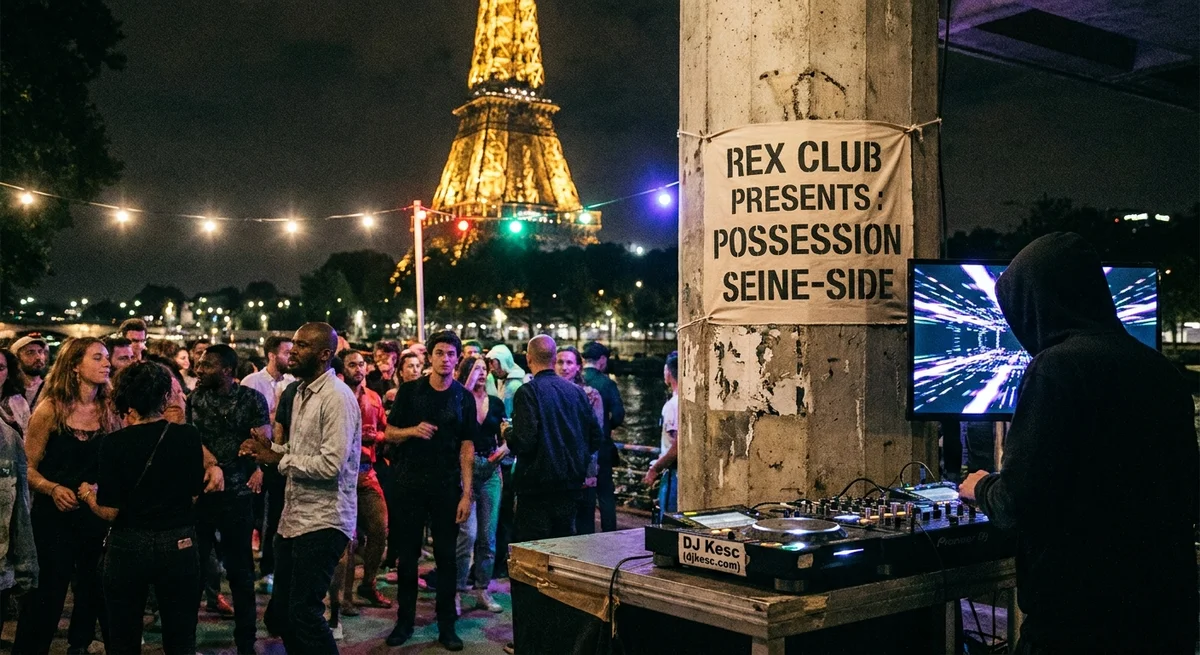
Paris Frequencies: Rex Club, Possession, and Seine-Side Raves
Paris’s electronic music scene is booming. Observers describe a “golden age” of clubbing in the city (www.lemonde.fr). Historic venues rub shoulders with bold new projects: the underground Rex Club and La Machine du Moulin Rouge have shared the spotlight with fresh open-air raves under the périphérique and in hidden warehouses. Techno and house fans now enjoy everything from celebrated dance floors to clandestine queer parties. This guide surveys Paris’s techno/house landscape – profiles of key venues, their DJ line-ups and rigs, plus practical tips (curfews, door policies, crowd etiquette, labels/promoters, transport and safety).
Legendary Club Rooms
Rex Club (2nd arr.) – In central Paris under the Grand Rex cinema, Rex is the veteran techno house club. Time Out Paris calls it “the historic club of the Grands Boulevards” and still “unmissable” in the city’s scene (www.timeout.fr). Founded in 1973 and reborn as a nightclub in 1988, Rex launched many electronic pioneers (Laurent Garnier, Daft Punk, Jeff Mills, etc. (paris-promeneurs.com)). Today it spins a mix of techno and house by top French and international DJs. Recent renovations gave Rex a new D&B audiotechnik sound system with over 70 speaker points (www.timeout.fr) – one of the world’s finest rigs. The club’s central DJ booth and red-neon staircases create an intense vibe. Resident nights span styles: for example, Greg de La Créole and Miley Serious play techno, D’Julz hosts house parties (Bass Culture), and the Camion Bazar duo mix genres (www.timeout.fr). Doors typically open ~midnight and close at 6 AM on weekends (Wed/Sat) (paris-promeneurs.com).
La Machine du Moulin Rouge (18th arr.) – Behind the famous cabaret in Pigalle, La Machine is a sprawling multi-level club (4 floors, ~2500 m² (shotgun.live)). Its main hall “Le Central” holds about 1,000 dancers for house and techno nights (www.visitparisregion.com). A smaller basement room, La Chaufferie, offers intimate, cabaret-style shows and indie/electronica events (www.visitparisregion.com). Notably, La Machine opened the Bar à Bulles rooftop lounge (2015) with a sunny terrace for brunches and live DJs by day (shotgun.live) (www.visitparisregion.com). This makes La Machine a “shape-shifting” venue: an official guide notes it features everything from collective DJ sets and 90’s revivals to giant-screen karaoke (www.visitparisregion.com). The club is open Fri–Sat from midnight to around 6 AM (www.visitparisregion.com), and at other times for special events. Its crowd is trendy and creative, fitting the district’s Bohemian vibe. La Machine also embraces LGBTQ-friendly events (see below).
Djoon (13th arr.) – Near the Gare d’Austerlitz, Djoon is the city’s soulful-house temple. It opened in 2003 in a room with tall ceilings, huge glass windows, and a view of the elevated metro – intentionally evoking a New York loft (www.visitparisregion.com). Here the sound leans warm and deep: expect Afro-house, soulful disco, funk and classic Chicago/Detroit house. Sunday-afternoon “Soulful Sunday” jams are famous, and Friday/Saturday nights draw both French and international DJs. The official tourism site calls Djoon an “underground temple” of house music (www.visitparisregion.com). It’s also a social spot for brunch and cocktails by day. Hours are late: closed weekdays except weekends. It runs Fri–Sat 11:45 PM–6 AM and Sunday 7 AM–midnight (www.visitparisregion.com). DJs like Osunlade, and collectives like Kapéla, often headline Djoon events.
Le Garage (13th arr.) – Under the Cité de la Mode on the Seine, Garage is a newer underground club and cultural space. It starts earlier than most: opening at 6 PM for live sunset sets by emerging French artists, then flipping to techno clubbing after 10 PM (www.sortiraparis.com). Cover is low (around €5), reflecting its indie vibe. Sortiraparis describes Garage as a techno spot with a “sharp lineup” that lasts “the whole night” (www.sortiraparis.com). Its hours are roughly Tue 6-3, Wed 6-4, Thu 6-5, and Fri/Sat 6-6 (closing 6 AM on weekends) (www.sortiraparis.com). In summer, they’ve hosted BBQs and outdoor festivals (“La Braise”) on the riverbanks (www.sortiraparis.com). Party crowds here skew young and local, with a casual dress code. (As always in Paris, the bouncer decides — but generally if you dress somewhat neatly and avoid sportswear you’ll get in.)
New Spaces and Open-Air Raves
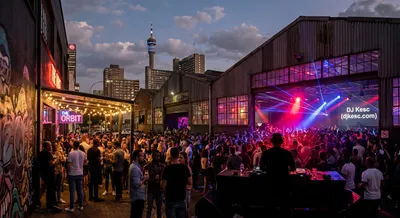
Aside from year-round clubs, Paris has embraced open-air and one-off parties. Government and promoters have repurposed raw spaces for big events, especially since the pandemic. The northeast suburbs now host many techno hectares.
Dehors Brut (12th arr.) – In summer 2019 the team behind the famed barge club Concrete opened Dehors Brut (“outside, raw”). It’s on an abandoned rail site at Boulevard Poniatowski near the Bois de Vincennes. Concrete’s Surprize collective runs the project (ra.co). The space is huge (~5,000 m²) – essentially “an immense liberated dancefloor” for hard-core ravers (www.lylo.fr). The official description boasts a custom sound system built for the site, and an “intense” techno lineup. The opening weekend ran from evening to 8 AM (ra.co). Since then, Dehors Brut throws seasonal techno parties by night (and sometimes free/after-hours jams by day). Expect pounding beats, a Funktion-One-grade PA (as Concrete was known for), and a gritty warehouse vibe. There’s no formal address given until ticket-holders are told (secret door code), keeping it underground.
Kilomètre25 (Puesto de Pantin) – Beneath the Boulevard Périphérique at Porte de Pantin, Kilomètre25 is a summer-night rave park. It’s run by Arnaud Perrine of the Glazart club, who also helped launch the Mia-Mao warehouse (see Le Monde) (www.lemonde.fr). Nexus is the party crew here: they regularly fill the field under the highway with techno and tech-house DJs, sometimes during the day. This makes Km25 one of Paris’s largest outdoor clubs (totally standing, sometimes 1,500+ crowd). Its sound system is optimized for open-air decay, pumping bass to the concrete underpass. Parties often start late evening and go until dawn, with a young mix of locals and suburban clubbers. (For the exact location and line-ups, one buys tickets online – shuttles or RER connections via RER E/F can take you close.)
Éléctricité (Quai d’Austerlitz)* – Often just called “Garage” (not to confuse with the city-wide brandGarage above). This is an industrial riverside basement by the Seine (13th). It regularly hosts daytime festivals and all-night events. A typical schedule: chill house or disco sets in the afternoon, then escalating techno by 10 PM, running till 4–6 AM. Booking style is DIY: collectives and promoters spin local talents. For example, back in 2017 this venue hosted French house star Folamour and D’Julz (www.sortiraparis.com). It’s a favorite spot to dodge noise complaints – the license allows heavy sound until nearly 6 AM. Dress and crowdculture here is eclectic (anything goes as long as you dance), and there’s often no snacks/bar, so come some drinks and water.
Other notable spots: summer pop-ups at Parc de La Villette or expositions host electronic concerts; the long-running Aérosolar synphonie on the Seine (in mid-July); and Rex on the River (Rex’s boat events). New clubs like Mia-Mao (19e) and Club Virage (Saint-Ouen) also book big DJs for warehouse-style dance fests (www.lemonde.fr).
Queer-Inclusive Nightlife and Warehouse Culture
Paris clubs today emphasize inclusivity. Many nights are explicitly LGBTQ-friendly, and volunteer patrols enforce respectful behavior. For example, Boiler Room calls Possession (founded 2015) “one of Paris’s most vital underground queer techno raves,” smashing boundaries and uniting the LGBTQ+ dance community (system.boilerroom.tv). Possession parties happen in secret locations (often warehouses) with only invited DJs and vibrant queer crowds. Similarly, collectives like Flash Cocotte (since 2009) throw monthly queer techno “bacchanals,” often encouraging costumes and dance performances (www.timeout.com). And Barbi(e)turix, described as Paris’s original lesbian collective, hosts massive multi-floor blowouts (e.g. the “WET FOR ME” parties) that cater to queer women with house/techno DJs and burlesque acts (www.timeout.com).
These events stress safety and consent. At clubs like Mia-Mao and Club Virage, staff and volunteers in purple vests roam the dance floor to ensure everyone feels secure (www.lemonde.fr). Rules are posted (even on posters) against harassment – slogans like “More dancers, fewer groppers” are common (www.lemonde.fr). The RAW crew’s “Secret Warehouse” parties explicitly ban any discriminatory or violent behavior: their flyer says respect and inclusivity are fundamental, otherwise you’re removed (ra.co). They even forbid phones and cameras on the floor (promoting a “no-photos” rave culture) (ra.co). In short, awareness from #MeToo and city policies means clubs now enforce consent-heavy norms. (Paris set up a Conseil de la Nuit in 2014 to oversee safer nightlife, after activists demanded it (www.lemonde.fr).)
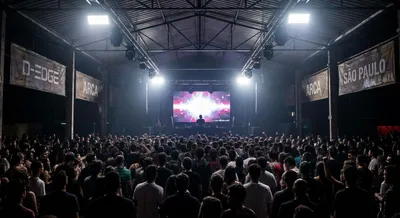
Aside from official clubs, underground raves pop up in empty spaces. These are often announced via private lists or social media at the last minute. Tickets or door codes are issued by trusted promoters. Such warehouse parties may use powerful Funktion-One or Martin Audio rigs, and often run all-night without formal curfews. That said, curfews do affect stickier bookings: nearly all Paris venues close by ~6 AM due to licensing. Even when police aren’t watching, DJs plan set times around that cutoff. Meanwhile, street parties like the annual Nuit Blanche or licensed festivals have their own schedules.
Transit and Nighttime Safety
Getting home after a 6 AM finish takes planning. The Métro shuts down shortly after midnight (last trains around 12:30–1:00 AM, except weekends on some lines). Fortunately, the Noctilien night bus network covers Paris from about 0:30 to 5:30 AM (www.iledefrance-mobilites.fr). These 48 lines link major hubs (Gare de Lyon, Saint-Lazare, Montparnasse, Gare de l’Est, etc.) and pass many nightlife areas (Bastille, Pigalle, etc.) (www.iledefrance-mobilites.fr). For example, lines N01/N02 form a loop via Bastille and Champs-Élysées (www.iledefrance-mobilites.fr). You can use standard tickets or passes for Noctilien.
Taxis and rideshares (Uber, Bolt) also run all night, but beware surge pricing or long waits at peak times. Apps like Benebus or Karos (ride-sharing) exist but are less common. If traveling to far suburbs after-hours (Monsieur), note RER trains stop ~midnight, so a taxi may be needed beyond. Plan your route before you leave the club. Always keep valuables secure (pickpockets can operate on trains and in queues). Within clubs, use the free water stations (if available) and look out for the ‘safe space’ volunteers or security team if you need help.
At the door, expect strict ID checks (18+ only, legal age) and occasional dress codes. Generally, upscale clubs may refuse entry for sneakers or too-casual outfits, while underground raves are more relaxed but often give priority to ticket-holders or pre-approved guests. Arrive early or join the guest list to avoid long lines; many Paris nights start late (midnight or 2 AM) and build till dawn.
Overall, Paris’s dance music scene today balances hedonism with care. The boom in new spaces (from the famous Rex Club to secret basement raves) offers more choice than ever (www.lemonde.fr). Despite the 6 AM curfew, promoters maximize every hour on the schedule. Prominent labels and crews shape the sound: for instance, the Concrete/Surprize team built Dehors Brut (ra.co), and promoters like Nexus spin big events at Km25 (www.lemonde.fr). French collectives (RAW Agency, Fvtvr, etc.) also bring top international DJs and local talents to Paris playlists.
In summary, Paris’s techno and house map is rich and varied. From Rex Club’s legendary dance floor (www.timeout.fr) to riverside summer raves, each venue has its own vibe, crowd norms, and rules. With smart planning (transport, safety) and respect for local codes, travelers and locals alike can enjoy the “new roaring 2020s” of Paris nightlife (www.lemonde.fr) (www.lemonde.fr).
Sources: Club and event details are drawn from local media and guides (www.timeout.fr) (www.iledefrance-mobilites.fr), party reviews (www.timeout.fr) (ra.co), and recent reporting on Paris nightlife (www.lemonde.fr) (system.boilerroom.tv).