 Auto
Auto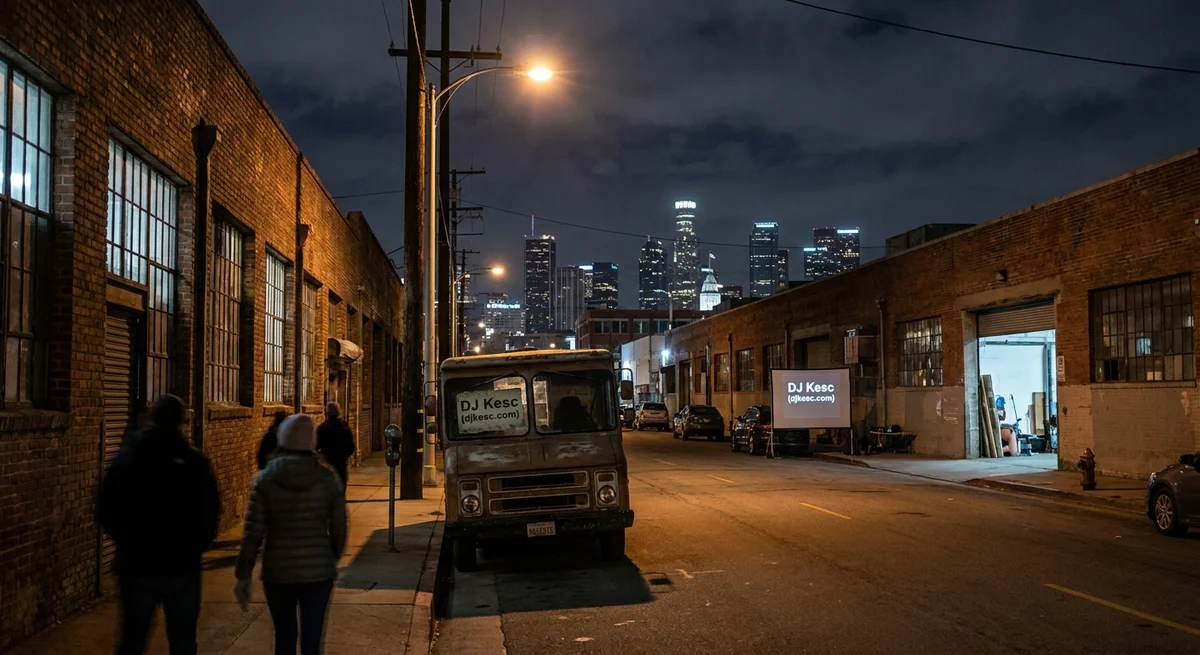
Los Angeles Afterhours: Downtown Warehouses to Hollywood Institutions
Los Angeles has a split nightlife scene. On one hand there are licensed clubs where music and dancing are officially allowed. On the other hand there are more secret warehouse parties where music may play late into the night outside normal rules. Clubs like Sound Nightclub, Exchange LA, Academy LA, Avalon Hollywood, and Catch One are big, legal venues. By contrast, brands like Framework and Minimal Effort put on one-off warehouse events. We will look at each of these, compare how the city’s rules apply, and offer tips for getting there and having fun safely.
Permitted Clubs vs. Underground Warehouses
Los Angeles city law requires a special permit for any public club or event where people dance. In fact, the LA Municipal Code says “no person shall conduct... any dance hall, dancing club or public dance without [a] written permit” (codelibrary.amlegal.com). In other words, official nightclubs must be licensed by the city. Permitted clubs have to follow rules on safety (like exits and space) and when they can serve alcohol. For example, state law forces bars to stop serving alcohol at 2:00 a.m. most nights. Avalon Hollywood is a unique case: it has a rare 24-hour dance license, letting it reopen its bar at 6 a.m. after the usual 2 a.m. cut-off (www.latimes.com). Most other LA clubs must close or at least stop full service by 2 a.m. on weekday nights (though some extend on weekends).
Underground warehouse parties operate quite differently. These events often skip the official dance-club permit and hold music in remote or industrial areas. Because they are not fully licensed, they avoid some rules (no cover-charge limits, for example) but they run on a grey line of the law. Organizers rarely sell alcohol publicly or have a full liquor license, to avoid attracting enforcement. They also carefully avoid noise complaints or trespassing. The city’s sound rules require events to keep noise down at night, so warehouse parties typically keep sound inside the building or end by sunrise. While big clubs blast music into crowds in hotels or on Hollywood streets, these underground parties secretly gather in industrial zones where fewer neighbors live.
Hollywood Clubs and Downtown Clubs
Sound Nightclub (Hollywood)
Sound Nightclub is in Hollywood on Las Palmas Avenue. It bills itself as a high-tech dance club. Its official site highlights “cutting-edge visual and audio technology” (www.soundnightclub.com). In practice, Sound is known for huge video screens, laser lights, and a custom-built sound system. Guests often say the club feels like a “nightclub journey” thanks to 3D video mapping and thumping bass (www.soundnightclub.com). Music-wise, Sound focuses on electronic dance music – mostly house and techno. DJs play everything from jazzy House to gritty Techno and even some Top 40 EDM hits on different nights. The club runs late (typically until around 3 a.m.), though it does not stay open through sunrise. Sound is strictly 21 and up, and security often checks IDs and phone wallets. Dress is trendy-casual and there is usually a cover charge at the door, which can be paid via the club’s website or apps like DiscoTech.
Avalon Hollywood (Hollywood)
Avalon Hollywood is a historic giant. It was built in 1927 and today operates as “LA’s preeminent superclub” (www.timeout.com). The space is huge – a converted old movie theater – and it has almost 100 years of party history. Avalon stands out because it is the only LA club with a 24-hour late license (www.timeout.com). In other words, it can legally stay open all night. A 2017 photo feature in the LA Times confirms Avalon can remain open until 6:00 a.m., though it still stops serving alcohol at 2:00 a.m. (www.latimes.com). This rare 24-hour permit means Avalon throws “weekend-long fiestas” for true night owls (www.timeout.com). Big-name electronic music DJs often have residencies here – for example, famous global DJs like Sasha have played at Avalon regularly (www.timeout.com) (noting that Time Out says Avalon “books global DJ phenoms” in turn). Avalon also has a legendary sound system and lighting. One review calls its bass “chest-thumping” and says that walking out dancefloor glass doors into Hollywood Boulevard at 4 a.m. feels like “climbing out of a spaceship due to the surround sound” (www.timeout.com). The club spans multiple levels and rooms with a grand stage feel.
Like Sound, Avalon’s music is mostly electronic – think Trance, Big Room House, and classic Dance anthems. It sometimes hosts live concert acts too. Avalon is 21+ and enforces a style code (no athletic shorts, for example). Parking near Avalon is difficult (Hollywood Blvd.) – there is a small lot for valet but it fills fast. Rideshare drop-off is often easiest (the club’s website typically gives Uber/Lyft pickup tips). Avalon tickets sell out for major nights, so check online (Ticketmaster or the Avalon site) ahead of time.
Exchange LA (Downtown)
Exchange LA is downtown, in the old LA Stock Exchange building (618 S. Spring St.). It’s a cavernous, multi-story club with speakeasy decor and industrial vibe. Exchange has a very large capacity and often draws big crowds. Musically, it leans heavily into high-energy electronic dance music and EDM. You might hear lots of modern Big Room House, Hardstyle, or even Top 40 Mashups. The main room has a massive dance floor and a giant video wall. Smaller lounges upstairs play hip-hop, reggaeton, or lounge music, so it’s fairly “open format.” Because it’s a former stock exchange, the ceilings are high and the acoustics can shake the walls – owners added sound insulation to keep neighbors happy. Exchange is 21+, and usually has a cover and a dress code. It can stay open late (often until 3 or 4 a.m.), but like most downtown clubs it must stop serving alcohol at 2 a.m. California law requires all alcohol sales to end by 2:00 a.m., so even big downtown clubs must comply. (Only Avalon’s license allows a later bar re-open.) Exchange often lets people linger with non-alcoholic drinks or dance music after official last call.
Academy LA (Hollywood)
Academy LA, also in Hollywood (on Hollywood Blvd. near Cahuenga), was a convert warehouse space that opened around 2015. It replaced older loft-club venues. Academy is known for mobile LED screens and art installations. It usually hosts EDM dance nights and big guest DJs too. Recent years: it sometimes opened 7 nights/week with everything from local house DJs to big guest acts from overseas. The club room is very large (with loft balconies) and LED floors. Academy’s sound is also very loud, meant for “headphones off” raving. It operated until the pandemic; as of writing, its status can change, so check upcoming shows.
Catch One (Mid-City)
Catch One is a special case. It was originally a legendary West Hollywood gay nightclub (opened in 1973 as Jewel’s Catch One). It closed in 2015, then its space became a club called Union, and in 2018 it brought back the Catch One name (www.timeout.com). Today Catch One sits on Pico Blvd (Mid-City area). It’s known more for live concerts and queer/LGBTQ+ parties than pure DJ sets. Over decades it hosted icons like Whitney Houston, Madonna, and Donna Summer (www.timeout.com), making it part disco-era landmark. After reopening, Catch One’s vibe is more intimate: it still has disco and house music nights, drag shows, and dance parties, but in a smaller multi-room bar/club environment. It has five rooms of different sizes , so one night might have a live band in one room and a DJ spinning house in another. The style is inclusive and funky – think disco classics, throwback R&B, and lively drag performances. It’s 21+, and cover charges are modest (often a $10-$20 local event). Because Catch One is on a commercial block, parking can be tough as nearby lots fill up. Ride-sharing is popular here. It’s a smaller, community-focused club, so check its calendar for themed nights (e.g. Latin dance night, disco drag night).
Warehouse Party Brands
Beyond these fixed venues, LA has underground party brands that rent spaces for one-off events. Two notable ones are Minimal Effort and Framework.
-
Minimal Effort (Lo. Effort LA) does a few big parties a year, often using different starting venues each time (like the “Vermont Hollywood” club or a pop-up warehouse). Time Out describes Minimal Effort as bringing together “top talent in the underground house and techno scene” for “helluva party[s]” (www.timeout.com). For example, for New Year’s Eve they’ve booked international DJs like Jimi Jules and Cyril Bitar (www.timeout.com). These events focus on house and techno music, and the attendees are usually die-hard fans from LA’s scene. Minimal Effort shows often play into the next day (doors until 4–5 a.m.), though technically held at a club that closes earlier, so they rely on nightclub and permit loopholes. There is usually a wristband or cover fee via RA or Resident Advisor, and the vibe is very much “underground warehouse” even if inside a club.
-
Framework is a local event promoter with a similar bent. Framework has run long-running series at spots like Chinatown’s Gin Ling Way. In fact, Framework’s site shows it presenting events like a “Gin Ling Way Summer 2026 Series Pass”! (thisisframework.com). Gin Ling Way is a converted industrial space in downtown LA. Framework also sometimes teams up with bigger brands (they co-hosted a “Chris Lake” festival). Their nights cover a range of electronic music: deep house, minimal, tech-house, etc. For example, they’ve hosted a “Deep House Bible” party. These events feel DIY: rustic warehouse sound, minimal decor, heavy focus on the music and DJs. Attendees often must watch for the exact location on tickets announcement. Framework and Minimal Effort use Instagram, RA or Dice to sell tickets. Typically, the DJs are a mix of local underground stars and occasional guest headliners.
Because these parties are technically unsanctioned or semi-sanctioned, they require 📲 staying tuned on social media. Often tickets sell out fast. They usually don’t serve alcohol from a bar (so people BYOB or trust the nearby stores). Security at these warehouses is minimal but there (ID check, bag check).
Licensing, Noise, and Neighborhoods
Cities divide nightlife areas by zoning. In Los Angeles, Hollywood (where Sound, Avalon, Academy, Catch One are) is largely a commercial/entertainment zone. These clubs are surrounded by other businesses, hotels, and some apartment buildings. Downtown LA (where Exchange and some warehouse parties happen) has mixed zones: art galleries, loft residences, and former warehouses. Because of this, each scene faces noise limits. For example, Hollywood clubs have neighbors (residents and businesses) just across the street. Avalon invested in soundproofing so its booming music doesn’t rattle the Renaissance hotel next door. And Avalon’s 24-hr license (and its ID badges) help show it’s a legal business. In downtown’s Arts District, many warehouses are in industrial areas which are quieter at night. Promoters try to pick buildings that are far from homes. If residents do complain, the LA Department of Building & Safety can shut a party down (especially if it has fire-safety, over-capacity, or alcohol issues).
Noise rules are serious. By law, a nightclub must cut out loud music at neighbors’ thresholds. So clubs often keep the music bass-heavy inside (through subwoofers) but don’t blast it outside. As one example, Avalon’s own news story noted police checking noise in apartments to keep levels below city limits. In practice, after-hours events minimize parking in residential streets, screen sound through big doors, and often provide shuttles or meetups to lower horn honking. Some even hire security to keep people quiet when leaving.
The license constraints shape each club’s vibe. Sound and Exchange, for example, normally close after 2 or 3 a.m. in line with city rules. Avalon’s license lets it open until 6 am, making it a true all-night dance special. Catch One (Mid-City) is in a church zone, so it follows regular 2a closing. Warehouse promoters pick spots on private property and often pay for one-night permits like a “temporary dance event” (if they choose to go legit for safety).
Tips for After-Hours Party-Goers
Parking & Rideshare: Most Hollywood clubs are in busy touristic areas, so street parking is scarce and metered. The lots around Hollywood & Vine fill up early. Many clubs offer valet (with a cover charge or costly tip). To spare the stress, many people now use rideshare (Uber/Lyft), especially since these cars can drop you off at the door. Remember that after 2–3 a.m., car rides get more expensive (surge pricing) and drivers are fewer on the road. A good trick is to move a block away first and request the ride in a quieter spot. Always know your exact pickup address, and watch for designated club pick-up zones.
Tickets & Doors: Buy tickets in advance online whenever possible. Popular nights sell out or have long lines. Check official club sites or Applink apps (Ticketmaster, Dice.fm, or ResidentAdvisor) to avoid scams. Legit clubs sometimes sell “tickets” on Discotech or Ra.co too. For warehouse events, only buy via official promoters’ links or RA – never give cash to strangers. Also, remember many clubs are 21+ in LA. If an event is 21+, you’ll need a valid ID. Some Thursday or Sunday nights might be 18+, but always check the listing.
Avoiding Tourist Traps: Hollywood has trap clubs that lure tourists with flashy ads but poor music or loud DJs who only play chart rap/EDM. Learn which venues have a genuine local scene. In general, Avalon, Exchange, and Sound are safe bets for real dance music. Use review sites or local guides to skip spots known for “American Idol” type pop nights. If a club cover is wildly cheap ($10 for a “big name DJ”), make sure it’s on the official calendar. Also avoid parking your rental car far from the club; there are occasional reports of minor vandalism when cars park all night in unknown areas.
Get There Early: Doors often open around 10 p.m., and DJs usually start after 11. The later you go, the harder it is to get in and the more you’ll pay. To beat the line, arrive early or book a table. For clubs like Avalon with 24hr license, even getting there at 4 a.m. is fine (they stay open), but know the music vibe may change – it might shift to classic disco or a mellow set by then.
Conclusion
Los Angeles offers a vibrant after-hours scene from Hollywood superclubs to clandestine warehouse raves. The permitted clubs (Sound, Avalon, Exchange, Academy, Catch One) each have a distinct vibe – whether it’s Avalon’s marathon parties (www.latimes.com) or Sound’s 3D audiovisual shows (www.soundnightclub.com). The underground brands (Minimal Effort, Framework) keep the scene fresh with top-tier dance music in informal spaces (www.timeout.com) (thisisframework.com). Remember that city rules on permits and closing times are strict (codelibrary.amlegal.com) (www.latimes.com), so plan trips accordingly. By knowing each venue’s style, checking legal schedules, and using smart transportation, party-goers can safely enjoy what makes LA nights exciting – from Downtown’s bass-thumping clubs to sunrise-packed warehouse dancefloors.