 Auto
Auto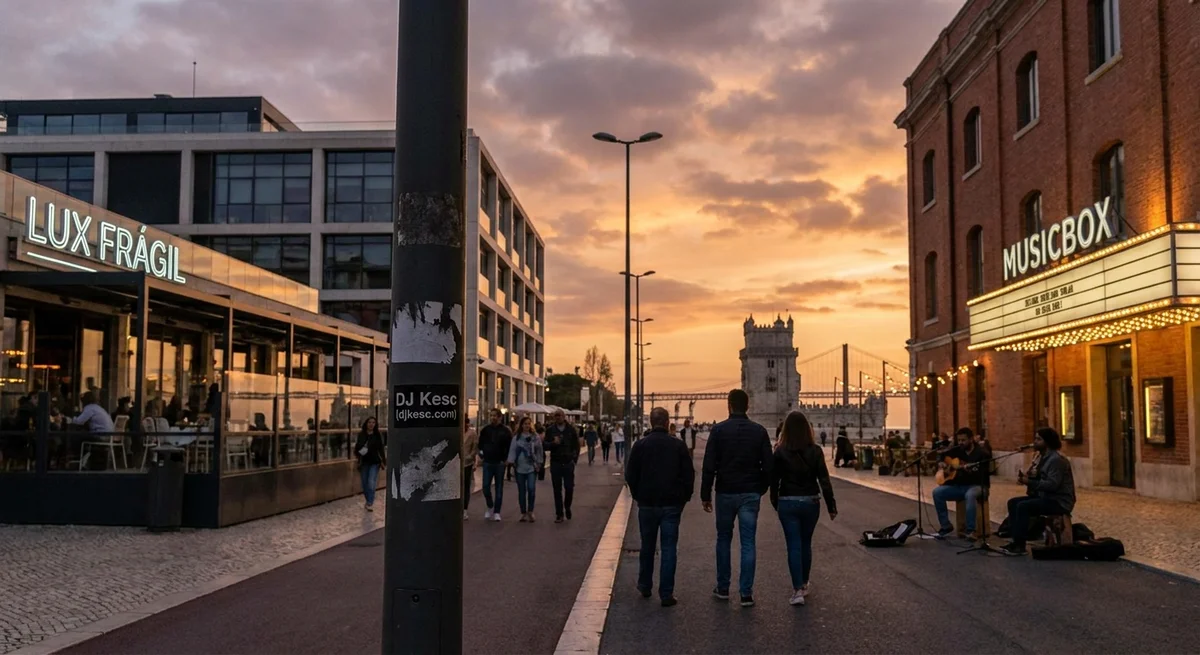
Lisbon’s Riverfront Rhythms
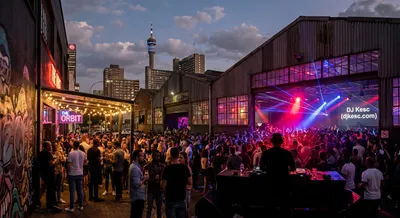
Lisbon comes alive after midnight. Clubs open around 12 AM–2 AM and stay busy until the morning light (www.lisbonlux.com). The scene is a fun mix of Portuguese and Lusophone (Portuguese-speaking world) flavors. Here you’ll catch techno and house DJs alongside bass-heavy beats with Afro-Portuguese and Brazilian rhythms. For years Lisbon has been famous for blending African, Latin, and electronic sounds (mixmag.net) (travelnoire.com). You’ll hear Angolan kuduro and kizomba, Cape Verdean funaná, Brazilian zouk, and modern Afro-house pulsing through the city’s dark rooms (daily.bandcamp.com) (travelnoire.com).
Lisbon’s top clubs sit by the Tagus River and in nightlife districts like Santos, Alcântara and Cais do Sodré (the Pink Street area). These spots draw crowds of locals and tourists alike. The most famous is Lux – Frágil (near Alfama), often called Lisbon’s king of clubs. Founded in 1998, Lux – Frágil is a huge warehouse with a chic interior and three floors. Upstairs is a chill lounge with cocktails and sofas, while downstairs is the dancefloor, thumping with techno and deep house (www.travelgay.com). Long lines of well-dressed partygoers form at Lux each weekend because not everyone gets in (www.lisbonlux.com) (www.travelgay.com). The crowd downstairs is young and mixed (often gay-friendly) (www.travelgay.com). Inside Lux you’ll see Lisbon’s best DJs and many international names, plus a spectacular rooftop terrace looking out over the river (www.lisbonlux.com). The rooftop (atrio do bar) is famous for sunrise views and DJ sets. Expect deep house, tech-house and melodic techno at Lux, with residents like Inês Duarte and Varela leading the party. Dress well and arrive early – Lux has a strict door policy (www.travelgay.com).
Another riverfront classic is Ministerium. Housed in the old Finance Ministry building at Praça do Comércio, Ministerium opened in late 2012 and quickly became a go-to for house and techno (www.beatportal.com). This 700-capacity club hosts big local and international DJs on Fridays and Saturdays, typically until around 6–8 AM (www.beatportal.com). The sound here leans more underground and housey, mixing classic house grooves with hard techno. It’s a more underground vibe than Lux – expect local crowds who dance hard all night.
In Cais do Sodré, under the pink neon, MusicBox was a beloved cave-like club known for everything from live bands to indie and electronic DJs. It opened in 2006 and for nearly 20 years was a “safe harbor” for Lisbon clubbers (www.timeout.pt). Many nights mixed indie, experimental and dance music. (Update: In September 2025, MusicBox permanently closed after 19 years (ra.co). Its founders are opening a new venue called Casa Capitão later that year.) Tonight, if you visit the Pink Street area you’ll find bars and beach-themed clubs like Anjos70 down a side alley, but not MusicBox.
Another legendary spot was Kremlin, on the famous “escadinhas da Praia.” Opened in 1988, it became one of Lisbon’s top clubs in the 1990s (www.lisbonlux.com). Reopened in 2016 after a hiatus, Kremlin featured disco, house and Euro-dance nights and was popular with LGBTQ crowds. Times have changed: in late 2025 it was announced that Kremlin won’t reopen in its old form (www.nit.pt). A new concept called Santuário will launch in the same space, described as “a cultural space dedicated to electronic music, but also to art and gastronomy” (www.timeout.pt). In short, the old Kremlin gives way to a fresh electronic club venue.
New & Alternative Spots
Lisbon also has exciting up-and-coming venues. An example is Those Who Dance in Alcântara (opened October 2024) – a warehouse turned cultural hub. Here you’ll find late-night club nights and even day-time dance classes (from voguing to capoeira) in one raw, industrial space (www.beatportal.com). It was designed by a former Burning Man event organizer as a “permanent home to dance” for Lisbon’s queer community (www.beatportal.com). Another tiny party hub is 5A Club in Principe Real – an intimate basement club for deep-house and techno heads (free entry before 1 AM, local-friendly). And keep an eye on Zero Club (Alcântara) and pop-up events under bridges; Lisbon’s scene often surprises with warehouse raves and day parties in unexpected spots.
Lusophone Beats and Club Vibes
A key flavor of Lisbon’s music is its Lusophone link. In practice, that means Portuguese-speaking cultures feeding into the club scene. Think of Angolan and Mozambican rhythms (kuduro, kizomba, funaná), Brazilian baile-funk or samba samples, and even Cape Verdean mornas woven into electronic tracks. For example, Portuguese label Príncipe Records has pioneered Batida and Tarraxo, styles that blend Angolan kuduro with Lisbon’s own club sound (daily.bandcamp.com). TravelNoire notes that Lisbon parties now regularly showcase “electronic music influenced by zouk, kuduro, kizomba and funaná.” (travelnoire.com). Mixmag adds that Lisbon’s clubs have long had a “distinctive blend of African and Latin-influenced electronica” thanks to pioneers like DJ Marfox and Buraka Som Sistema (mixmag.net). In short, at many Lisbon nights you may hear a bassy kuduro remix or a warm kizomba groove slipping into the techno set – a modern echo of Portugal’s Afro-Portuguese ties.
Not surprisingly, several local DJs and labels embody this vibe. DJ Marfox (who rose to fame spinning Angolan kuduro beats) often plays in Lisbon (ra.co). Naïve Portuguese producers like Telma and HNRQ mix house/techno with tropical percussions. Local labels like Enchufada (founded 2006) explicitly fuse global club music and diaspora rhythms (www.enchufada.com). Community radio Rádio Quântica (since 2015) champions this diversity – it’s an online station by Lisbon artists focused on underground electronic and Afro-diaspora sounds (www.radioquantica.com). In short, Lisbon’s musical heart beats with a blend of global club styles and Lusophone grooves.
Daytime Parties, Beach Beats, and Rooftops
Lisbon’s nightlife isn’t just after dark. The city hosts lively daytime events and summer festivals. For example, Brunch Electronik is a popular open-air party series held in the daylight at Tapada da Ajuda (a park-like venue). It usually runs Sundays in summer with top DJs (in 2025 it featured names like Joseph Capriati) (ra.co). An offshoot called Brunch Electronik – In the Park runs outdoor events on multiple summer Sundays, with stages for dancing, food stalls and even kids’ areas, all under the trees (lisboasecreta.co). These parties start in the afternoon and go into evening (often 2–10 PM) – a perfect way to dance by day.
Lisbon also has canals and “urban beaches.” Along the Tagus waterfront you’ll find beach-club style venues. K Urban Beach (formerly just Urban Beach) is a riverfront club with nightly electronic music and summer pool parties (deck chairs by day, dance floor by night). And things like Anjos70 on Pink Street mix bar/club vibes with seaside décor. Rooftop bars are also huge: Park Bar in Bairro Alto and Topo at Martim Moniz (with castle views) draw early-evening crowds. Even many clubs here have terraces – notably Lux Frágil’s big rooftop garden (www.lisbonlux.com). In summer, Lisbon’s party can start along the river at sunset and keep going into the clubs below.
Outsiders: DJs, Labels, & Radio
Lisbon’s global club success also owes to its people behind the decks and in the studio. Names like Bruno aka Phoebe, HNRQ, Inês Duarte, Lupin, and DJ Nigga Fox are big in town – spinning local flavors and international beats at Lux, Ministerium, and beyond. Labels such as Enchufada and Príncipe have put Lisbon on the map by releasing Afro-influenced electronic music that the world plugs into (www.enchufada.com) (daily.bandcamp.com). Radio stations like Rádio Quântica and RFM/Lusomundo (mainstream with electronic shows) keep the community connected. In short, whether it’s an established veteran or a rising local, Lisbon is full of DJs who bring the Lusophone link to the dancefloor.
Tips: Neighborhoods, Hours, Transport and Crowd
-
When to go: Lisbon’s nightlife waits for no one. Most clubs open between midnight and 2 AM (www.lisbonlux.com). Don’t even think about ending the night by 2 AM – dancing often continues until sunrise (around 6–8 AM). Bars in Bairro Alto close earlier (1–2 AM), but big clubs keep doors open much later. If you see a line, it’s probably worth joining – lines at Lux and Ministerium stretch around the block on Saturdays.
-
Where to go: Bairro Alto (holed-up bars on steep cobbled streets) is great for pre-club drinks and small rock/house bars, but it empties early (2 AM) (thediscreetgentleman.com). For true clubbing, head to Cais do Sodré (Pink Street) and Santos/Alcântara. Cais do Sodré has assorted bars and clubs of all styles – MusicBox was there and now clubs like Kapital (with 6 floors!) and smaller spots rule. Santos is where places like Lux and Ministerium sit; it attracts an “older, well-dressed” crowd focused on dancing (thediscreetgentleman.com). Each district has its own vibe: in Santos you’ll see people all-glossy for late-night electronic beats, while Bairro Alto is more casual and mixed.
-
Door tips: Clubs in Lisbon aren’t usually strict about nationality or age (just be 18+), but many have dress codes. Avoid athletic wear or sneakers at upscale clubs; think nice casual (jeans or dressy shoes). Lux Frágil in particular enforces a dress code and capacity limit – women often need heels and men smart shoes/rustic stilettos for entry (www.travelgay.com). Smaller clubs (like 5A or ministerium) are more laid-back. Have your ID ready – Portuguese security is polite but firm.
-
Transport: Lisbon’s subway and trains stop running around 1 AM (thediscreetgentleman.com). After that, your best bet is Uber/Bolt (very cheap here) or yellow taxis. Many partygoers simply get one ride back to the city or airport. The Discreet Gentleman travel guide notes: “After 1 AM, Uber/Bolt is the default choice” (thediscreetgentleman.com). There are also a few late-night buses (check the Carris network info) and tuk-tuks roaming downtown if you’re short on cash. Safety is generally high, but keep an eye on your things in crowded clubs.
-
Crowd: Lisbon crowds are friendly and love dancing. You’ll see a mix of Portuguese local youths, expat internationals, and often Brazilians or Angolan-Portuguese revellers. Weekends tend to draw mostly locals mingling with tourists. On a typical night, expect a vibrant, affectionate crowd – Portuguese do dance with their friends and often kiss cheeks, being a bit laid-back compared to, say, London or Berlin. If you go on a themed night (Afrohouse, trap, etc.), you’ll meet people from all over.
-
Prices: Lisbon is cheaper than many Western European capitals. Expect €2–3 for a beer, €5–7 for a cocktail. Club cover charges range from free before midnight up to €15–20 at peak times (big-name DJ nights). Drinks inside clubs are a bit pricier (€4–6 for a beer, €8+ for cocktails). Credit cards are widely accepted everywhere, but it’s smart to have some cash for small bars.
In Conclusion
Lisbon’s nightlife is open-minded and late-night to the core. From the legendary riverfront clubs like Lux – Frágil and Ministerium to new warehouse havens and summertime boat-plus-park raves, the city offers a bit of everything in house, techno and bass. What truly sets Lisbon apart is its Africando and Lusophone beat – you’ll feel that cadence in the music, the DJs, and the crowd. Live to see dawn? Trust the Lisbon rhythm: step in at midnight with good friends, ride the waves of deep house and afro-tech all night, and cap it with pastel de nata (custard tart) at sunrise by the Tagus.