 Auto
Auto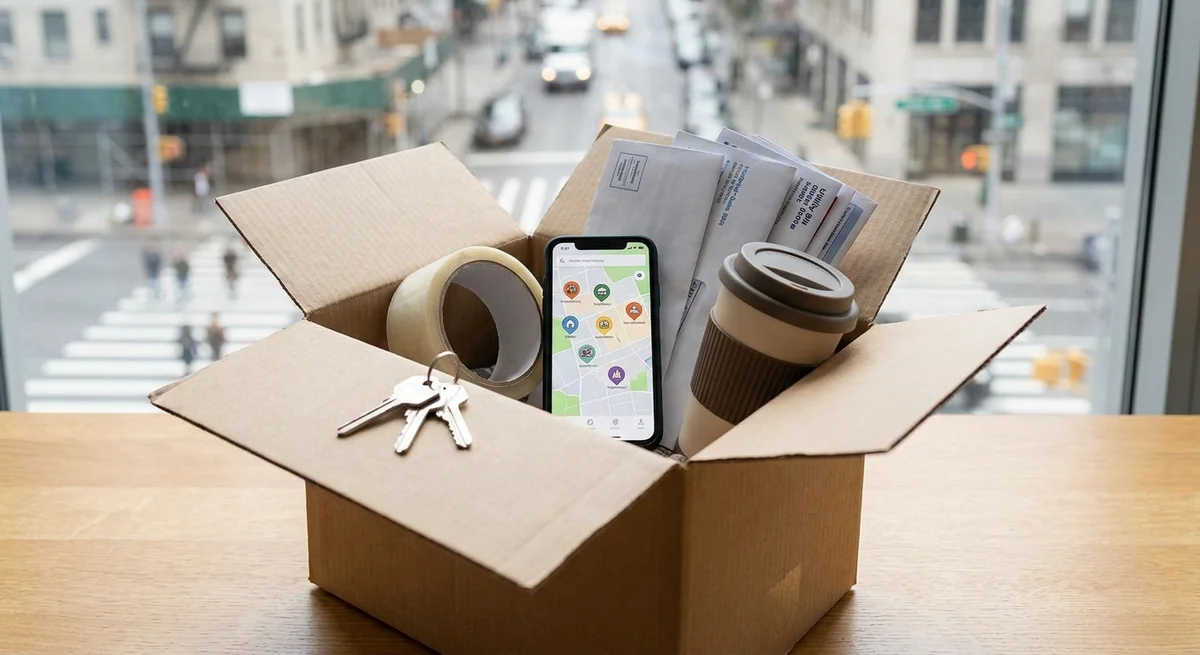
City Move Starter Kit: From Neighborhoods to Utilities
Moving to a new city can be exciting – a fresh start and new opportunities. But it also brings hidden costs and risks. Many people find themselves surprised by moving scams and unexpected bills (www.moving.com) (www.financialaha.com). They may spend hours online only to get overwhelmed with too much advice. The right plan in the first week can make all the difference. Here we highlight what to watch out for and the truly essential tasks you’ll need in those first days.
Watch Out for Scams and Hidden Costs
When you move, beware of moving company scams and other tricks. For example, some movers give a very low quote and then hold your things hostage until you pay more (www.moving.com). In fact, recent data show Americans lost a median of about $431 per moving scam – a 23% rise from last year (blog.hireahelper.com). In Georgia alone, moving scam calls jumped 14% in 2024 (www.fox5atlanta.com).
Moving can also cost much more than expected. Experts say the upfront expenses (security deposit, first month’s rent, sometimes last month’s rent, plus utility deposits) can easily add up to $5,000–$10,000 or more (www.financialaha.com). One budgeting guide notes that a typical first-month move-in bill can range from about $1,600 to $3,200, mostly for rent and deposit (www.spendwisecents.com). Then you still need money for utilities, groceries, and small home items (which can add another $500–$1,500 in the first month) (www.financialaha.com).
Key tips: Always get at least 3 moving quotes, check mover licenses, and read contracts fully to avoid “lowball” scams (www.moving.com). Plan a clear budget of all first-month costs (rent, deposit, movers, new furniture) so nothing comes as a shock (www.financialaha.com) (www.spendwisecents.com).
What You Need in Week One
Most generic guides list lots of tasks. But in the first week, focus on the essentials to get settled and safe:
- Verified neighborhoods: First, pick a safe, convenient neighborhood. Use trusted sources like official city or police websites, reputable real estate sites, or neighborhood review sites (e.g. Niche, Zillow). Look at crime data, school info, and resident reviews. For example, local guide sites often show crime and population stats for each area (blog.dolly.com) (e.g. Niche collects resident reviews and crime info (blog.dolly.com)). This helps you avoid unsafe areas or places that don’t fit your needs.
- Commute routes: Check how you will get to work or school from each area. Use online maps and transit apps. Google Maps can show travel times and traffic patterns, and apps like Transit or Time Out can show bus/train schedules. Try a test route during rush hour on the map to make sure the commute is doable. Having a printed or digital commute map helps you know which neighborhoods are truly within reach of your daily destinations.
- Starter budget: Create a basic budget for your first month. List all expected expenses: rent, deposit, moving costs, utilities, phone/internet, groceries, and any one-time setup fees. As noted above, first-month rent + deposit can be over $1,600 on a modest apartment (www.spendwisecents.com). Write these down so you know how much you really need. Keep at least a small “moving cushion” (extra cash) for last-minute costs. Simple spreadsheets or budget apps can help track this.
- Utilities and key services: Immediately set up or transfer utility accounts. This means electricity, gas, water, internet, phone, and trash/recycling. Many utilities require notice (often 1–2 weeks ahead). For example, in San Francisco you must schedule PG&E for power, SFPUC for water, and Recology for trash (www.sfblocks.com). In Philadelphia, you would contact PECO for electric and PGW for gas (drexel.helpscoutdocs.com). Make sure your move-in date is covered: you don’t want to arrive with no power or water. Also, update your address with USPS, banks, DMV, and so on (if moving within the same state) (www.sfblocks.com). These tasks are often city-specific – for example, SF renters use the California DMV system and SF property records office (www.sfblocks.com).
Taking care of these four key areas – safe neighborhoods, a workable commute, a reliable budget, and all your utility accounts – will cover the biggest early needs. They keep you safe, connected, and financially stable as you settle in.
Generic Guides vs. City-Specific Checklists
Many generic moving guides offer a one-size-fits-all checklist (research costs, pack, notify services, etc.). For example, one online handbook simply advises: “Research cost of living in your target city, compare salaries, visit the city, research neighborhoods and schools, check state tax laws,” and so on (ocity.org). These tips are helpful for overall planning. But they often miss local details. Generic guides might say “set up utilities” without saying who runs them in your city.
By contrast, city-specific checklists include those local details. For instance, the San Francisco moving guide on SFBlocks explicitly lists the local agencies, such as PG&E for electricity/gas and the SF Public Utilities Commission for water (www.sfblocks.com). It even names the trash company (Recology) and links to local URLs (www.sfblocks.com). A Philadelphia relocation list tells you to contact PECO for power and Philadelphia Gas Works (PGW) for gas (drexel.helpscoutdocs.com).
In short, generic guides give the broad steps, but local guides give the exact names and links you need. This matters because every city is different: the utility company, the DMV rules, even how quickly services come on. Using a city-specific checklist can save time and mistakes, ensuring you do the right tasks for that city.
City Move Starter Kit
To make moving easier, imagine a product called City Move Starter Kit. You simply pick your destination city, and it delivers a verified move-in checklist plus a first-month budget, tailored with local links. For example: “San Francisco Move Starter Kit” would include SF-focused tasks (transfer PG&E, register car with CA DMV, etc.) and a budget guide with average rents and costs in SF. Entrepreneurs (and every newcomer) could use this kit to skip the guesswork and get trustworthy, city-specific action items.
Proposed Product: City Move Starter Kit – Select your city to receive a verified move-in checklist and a first-month budget with local resource links.