 Auto
Auto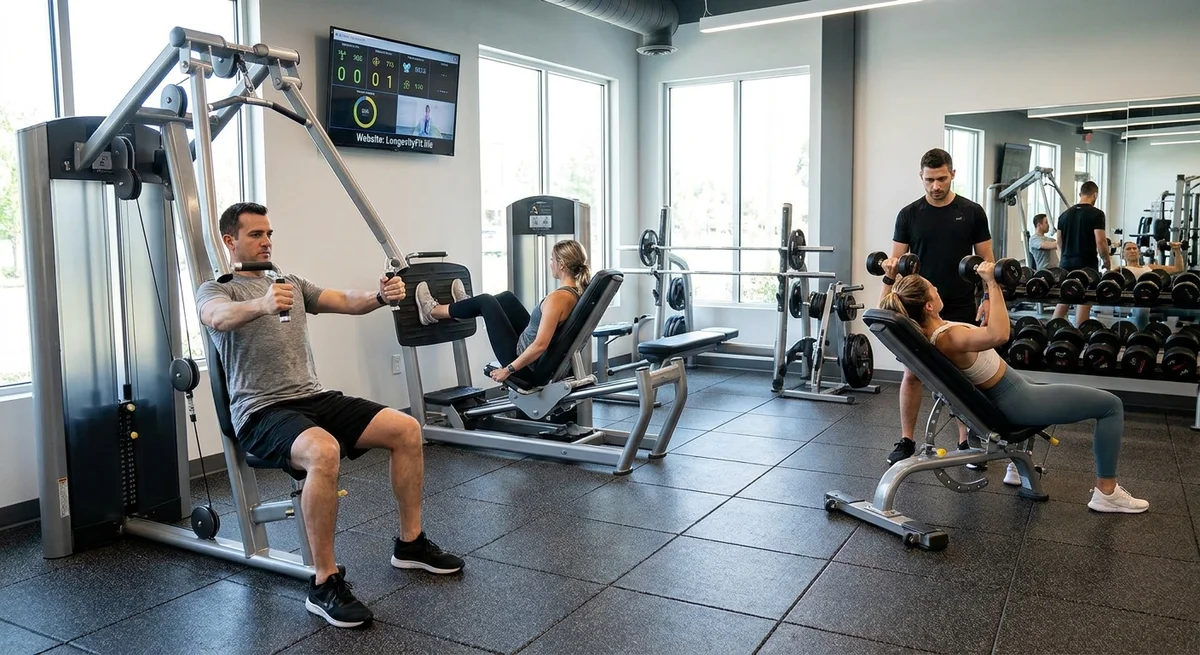
Machines vs. Free Weights for Older and Clinical Fitness
Staying strong with age is vital for independence, good health, and even living longer (pmc.ncbi.nlm.nih.gov) (pmc.ncbi.nlm.nih.gov). Resistance training (lifting weights) fights age-related muscle and bone loss and can cut the risk of falls (www.sciencedirect.com) (pmc.ncbi.nlm.nih.gov). But when it comes to equipment, people often wonder: are free weights (dumbbells, barbells, kettlebells) or machines (cable stacks, leg press, etc.) safer and more motivating for older adults and patients? Research shows that both types are effective, but they have different injury patterns, learning curves, and appeal. Understanding these differences can help people stick with exercise longer, avoid injuries, and get the full longevity benefit of training.
Injury Risk and Safety
Injuries in the gym are rare, but they happen. When they do, most injuries involve free weights. For example, a large U.S. study of gym injuries (1990–2007) found that about 90% of weight-training injuries involved free weights, usually from dropping a heavy dumbbell or barbell (journals.sagepub.com). The most common gym injuries were sprains and strains. In that study, older adults (age 55+) actually had relatively more injuries on machines than younger users, but free-weight injuries in any age group more often led to broken bones and dislocations (journals.sagepub.com) (journals.sagepub.com). In short, machines account for fewer injuries overall, but free weights handle and stabilize work pose some extra risk if heavier loads slip or if form breaks.
For older or clinical patients, several studies found weight training to be very safe when supervised. A trial in very old nursing home residents (average 84 years) found no serious injuries at all. Both machine training and free-weight training improved walking speed and chair-stand time by similar amounts, and drop-out was mostly due to unrelated health issues, not gym accidents (pubmed.ncbi.nlm.nih.gov). Another review of cardiac patients (heart failure) reported no deaths during thousands of hours of supervised lifting; only one cardiac event was noted in over 8000 person-hours of training (pmc.ncbi.nlm.nih.gov). Even study participants with frailty, arthritis, or past fractures tolerated progressive strength programs well, with just mild muscle soreness or fatigue (pmc.ncbi.nlm.nih.gov) (pmc.ncbi.nlm.nih.gov). In fact, experts note few adverse events in older adults doing resistance exercise – the issues seen were usually minor and short-lived (sore muscles or joints) (pmc.ncbi.nlm.nih.gov) (pmc.ncbi.nlm.nih.gov).
Health organizations emphasize that *proper technique and gradual progression *are key. The Mayo Clinic notes that both free weights and weight machines can safely build strength, as long as the user is trained in correct form (www.augustahealth.com). Machines often guide joints along safe paths, making them easy to learn. Free weights engage more muscles for stabilization, which is good for real-life balance but means technique is very important. The bottom line: use equipment you can do comfortably and safely, and consider a trainer’s help at first. This will minimize injuries while you gain the strength and health benefits of exercise (www.augustahealth.com) (pmc.ncbi.nlm.nih.gov).
Adherence and Motivation
Sticking with an exercise program is half the battle. Research finds that people tend to adhere better when they enjoy the exercise and feel confident doing it. In one controlled study of older gym-goers, the group lifting free weights reported higher enjoyment and motivation than the group only using machines (www.sciencedirect.com). These free-weight exercisers said the workouts were more fun and felt more useful to their daily life (www.sciencedirect.com). This makes sense: handling dumbbells or barbells can feel more like “real-world” lifting (like carrying a suitcase or groceries), and can boost confidence in daily activities.
On the other hand, free weights can be daunting at first. Beginners often prefer machines because they are easy to use and often safer for those not yet strong or steady. The Mayo Clinic agrees: machines can be quickly learned and adjusted to fit your body (www.augustahealth.com). In practice, some people start on machines until they build up technique and comfort, then slowly add free-weight moves. The key is personal preference: we’ll all stick to working out when we like the routine. Health providers recommend choosing weights and machines that fit your comfort level and workout goals (www.augustahealth.com).
Even so, keeping it up over months is challenging. Studies show that attendance tends to drop after supervision ends. In one German study, about two-thirds of older adults attended sessions during a 6-month supervised program (pubmed.ncbi.nlm.nih.gov). But when the training became “do it yourself,” only about 30% were still lifting hard at 6-month follow-up (researchportal.vub.be). This was true for both lighter and heavier weight training – people motivated equally for each, but few continued without guidance (researchportal.vub.be). It highlights that social habit and structure matter. Getting a workout buddy, tracking progress, or joining a group class (many gyms offer machine-based senior programs) can help keep the habit going.
In summary, free weights often feel more satisfying, which can help motivation and adherence (www.sciencedirect.com). Yet machines make starting easier and can feel safer if balance or experience is an issue (www.augustahealth.com). The best choice is what you enjoy and can do consistently. Over time, rotating between machines and free weights (or even resistance bands) can keep workouts fresh and engaging.
Functional Outcomes and Health Benefits
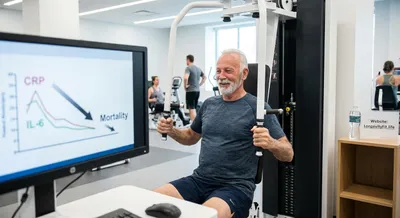
Both free weights and weight machines trigger powerful health gains. Regular resistance training boosts muscle strength and endurance, which helps with everyday tasks (rising from chairs, climbing stairs) and preserves independence in older age (pmc.ncbi.nlm.nih.gov) (pmc.ncbi.nlm.nih.gov). For example, a recent systematic review found that solely machine-based programs significantly improved strength and functional tests (timed “up and go,” chair-stands) in seniors (pmc.ncbi.nlm.nih.gov) . These gains in strength are directly linked with better longevity: experts note that people who build and maintain strength through resistance exercise tend to live longer and have lower all-cause mortality (pmc.ncbi.nlm.nih.gov) (pmc.ncbi.nlm.nih.gov).
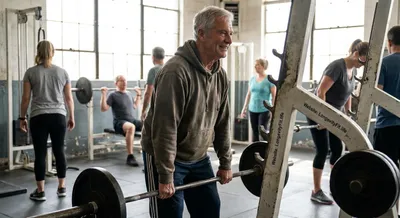
Free-weight training can have additional perks. In a head-to-head trial of fit older adults, those lifting free weights saw far bigger gains in leg and triceps strength than machine-only exercisers (www.sciencedirect.com). Free-weight moves like squats, lunges, or overhead presses engage stabilizer muscles (core, lower back, balance muscles) more than machines do (www.augustahealth.com). This can translate into better real-world function, because daily activities often require multiple joints and core stability (for example, bending to floor and lifting a box). In that study, older adults using free weights also rated their workouts as more beneficial to daily life and felt more motivated overall (www.sciencedirect.com).
Behind the scenes, lifting weights delivers systemic health gains. Researchers emphasize that resistance exercise lowers blood pressure, increases bone density, improves metabolism, and more (pmc.ncbi.nlm.nih.gov). These benefits hold whether you use machines or free weights. For bone density especially, doing multi-joint, weight-bearing lifts (like barbell squats or leg presses) helps strengthen bone, which fights osteoporosis. Both approaches can target the major muscle groups, which studies show faces a general decline after age 40–60; any training to slow that decline is good for “health and longevity” (pmc.ncbi.nlm.nih.gov) (pmc.ncbi.nlm.nih.gov).
No matter the equipment, training specificity and balance are key. Experts recommend pairing strength exercises with balance challenges (standing exercises, single-leg moves) that mimic daily life (pmc.ncbi.nlm.nih.gov). For example, if using a machine press, adding a balance exercise or a free-weight partial squat can spread the benefit. In essence, use the way of training that best fits natural movements: free-weight lifts often mirror how you lift groceries, while machines allow controlled motion for isolation. Combining both, plus dedicated balance work, gives the broadest functional improvements (pmc.ncbi.nlm.nih.gov) (pmc.ncbi.nlm.nih.gov).
Recommendations to Maximize Adherence and Safety
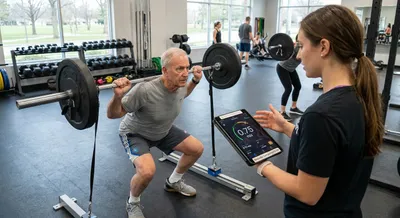
1. Start with a Plan: Older adults and clinical patients should ideally begin under professional guidance (trainer or physical therapist). A trainer can teach free-weight form (squat, press) and adjust machine settings. Begin with light resistance or bodyweight to build confidence, then gradually increase load. For beginners, machines are excellent: they guide your joints and reduce fall or strain risk (www.augustahealth.com). For example, a leg press machine strengthens the same muscles as a squat but lets you train sitting and often with back support. As strength and balance improve, incorporate some free-weight moves (like dumbbell curls or assisted squats) to build stabilization skills.
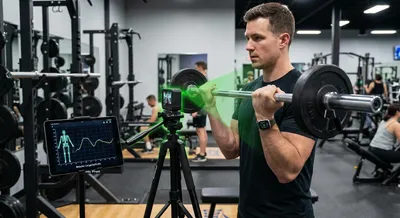
2. Emphasize Form Over Load: Proper technique prevents injury. Use mirrors or belts, and do not swing weights. When using free weights, always keep the core engaged and spine neutral. When using machines, adjust seats and pads so joints line up naturally. Even seniors can safely use barbells or kettlebells if taught correct posture. Many gyms now have “train-the-trainer” programs for seniors, ensuring exercises match ability. Important: Never attempt heavy lifts alone before learning. If lifting free weights heavier than you can easily handle, use a spotter or safety stops.
3. Keep It Varied and Enjoyable: To stay motivated, rotate exercises. One day use machines (leg press, chest press) and another day free weights (dumbbell lunges, machine chest press uses cables vs barbell bench press). You can also use resistance bands or household items (water jugs for weights) for variety. Mix in balance moves – like sit-to-stand from a chair, one-leg stands, or reaching exercises. Many older exercisers find classes or groups helpful. The social aspect can boost adherence more than any one piece of equipment.
4. Balance Intensity: Both moderate and heavier training can be effective (researchportal.vub.be). If very new, start with low to moderate weights (12–15 reps per set). If comfortable, progress to heavier loads (8–12 reps) around 70–80% of your one-rep max. Remember, even light loads lifted near fatigue build strength over time. Over months, try to increase weight or repetitions each week. Setting small goals (like adding 5% more weight or one more rep) helps show progress.
5. Address Medical Concerns Specifically: If you have joint issues (like knee osteoarthritis), use machines that support the joint in a pain-free range (for example, leg press or machine knee extension). If you have osteoporosis, incorporate free-weight standing exercises that load the spine gently (like weighted squats) to improve bone. For heart patients, start under supervision with light weights or bands and monitor intensity by how hard you breathe. When in doubt, machines often allow safer controlled movement – e.g., chest press machine if a bench press feels unstable.
6. Focus on Longevity, Not Just Strength: Remember the goal is lasting health. Experts note that any strength training routine – free weights or machines – is far better than none (www.augustahealth.com) (pmc.ncbi.nlm.nih.gov). Consistency matters more than equipment choice. Even short workouts (20–30 minutes, twice a week) can preserve muscle and maintain function. Embrace the fact that lifting weights pays huge dividends in quality of life and longevity (pmc.ncbi.nlm.nih.gov).
Conclusion
In summary, both machine-based and free-weight resistance training offer big benefits for older adults and clinical patients, and each has a role. Machines are user-friendly and safe for beginners or those with limitations, while free weights engage the whole body and tend to boost motivation and carryover to daily life. The evidence shows strength gains and health improvements from either, with very few serious injuries when done properly (www.augustahealth.com) (journals.sagepub.com).
To optimize outcomes, mix and match: start with machine exercises to learn, then add free-weight moves as you get stronger. Adherence will be highest when workouts feel safe, fun, and effective. Always warm up, use good form, and build in variety. Over time this balanced approach will maximize the odds you keep lifting, stay injury-free, and enjoy all the strength, independence, and longevity benefits that come with it (pmc.ncbi.nlm.nih.gov) (pmc.ncbi.nlm.nih.gov).