 Auto
Auto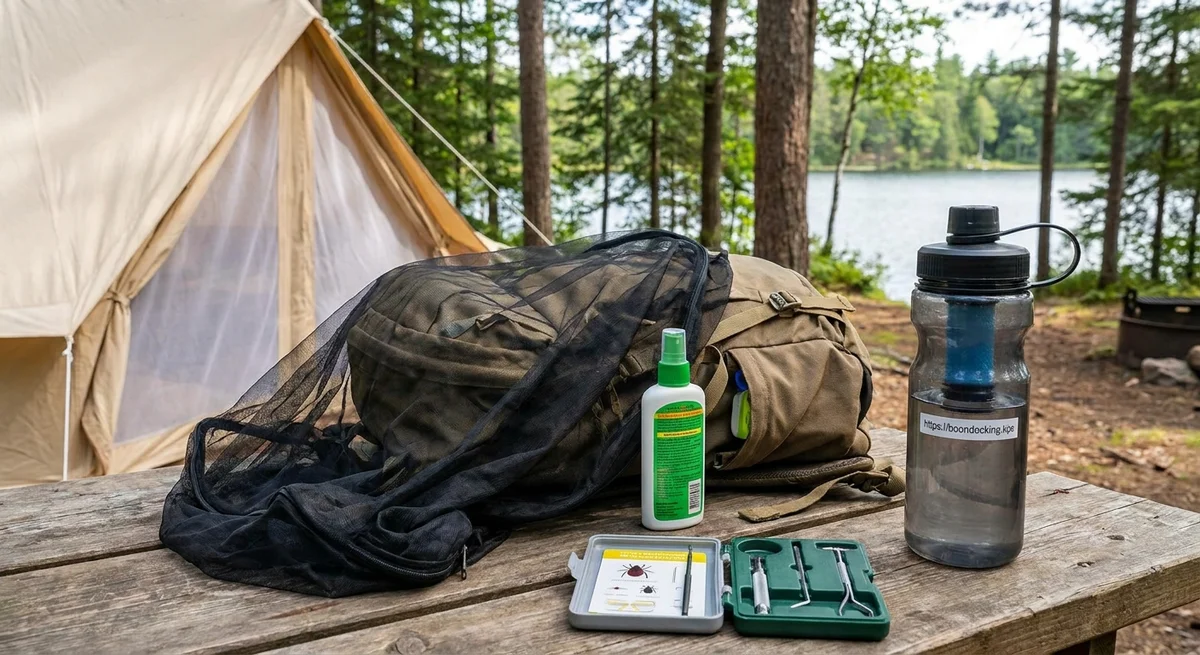
Managing Mosquitoes, Ticks, and Waterborne Illness
Spending warm months by lakes and waterways is a great way to enjoy the outdoors, but it comes with hidden health risks. Mosquitoes, blackflies, and ticks are common biting insects near water that can transmit diseases. Likewise, swimming or drinking from natural water sources can expose you to waterborne pathogens (bacteria, parasites, or amoebae) that cause gastrointestinal or even life-threatening illness. Recent data show a surge in such cases: for example, U.S. officials found that mosquito- and tick-borne disease cases tripled from 2004–2016 (over 640,000 cases) (time.com). And CDC reported nearly 4,958 illnesses (and two deaths) from untreated recreational water in 2000–2014, often due to pathogens like norovirus, Shigella and E. coli (time.com). Understanding seasonal patterns, breeding habitats, and preventive measures is key to staying safe at lakes.
Vector-Borne Risks at Lakes
Mosquitoes
Mosquitoes peak in summer, especially late afternoon and evening. They breed in standing water – from marshy lake edges and puddles to even small containers. (apnews.com) If camping near lakes or wetlands, you’ll often encounter mosquitoes that carry viruses such as West Nile, Eastern Equine Encephalitis (EEE) or, in some regions, dengue or Zika. (Other mosquito-borne diseases like malaria and dengue are rare in much of the U.S. but are concerns in tropical travel areas.) To minimize bites, avoid stagnant pools, swamps, and tall grass; stay in breezy (drier) spots; and use EPA-approved repellents.
Blackflies
Blackflies (biting midges) tend to hover near rivers and wooded lakeshores in spring and early summer. Their bites can be painfully itchy swarms, though they rarely transmit human disease locally. Blackflies are most active in daylight, especially spring/early summer. Wear long sleeves and use repellents (DEET or picaridin work on these too) when near fast-moving streams or thick forest. (Unlike mosquitoes that breed in still water, blackflies breed in flowing water – so avoid dusk-time like you would with mosquitoes.)
Ticks
Ticks thrive in wooded or brushy areas near lakes, especially where there are deer, rodents or tall grass. A mild, humid spring can trigger early and heavy tick activity, and bites peak in May and June when young nymphs emerge (apnews.com) (apnews.com). In fact, the CDC has warned that tick bite reports are occurring earlier in the season (apnews.com). Several tick species can transmit infection: Ixodes (deer) ticks spread Lyme disease and anaplasmosis; other ticks spread Rocky Mountain spotted fever or a red-meat allergy (alpha-gal) (apnews.com). Lyme disease is by far the most common U.S. tick-borne illness – roughly 476,000 Americans are treated for it each year (apnews.com). In general, ticks favor warm, humid weather and areas with thick undergrowth (apnews.com). To reduce risk, avoid brushing against bushes/trails, wear protective clothing, and always check for ticks after hikes.
Waterborne Pathogens
Natural lakes and rivers can harbor a range of pathogens, especially in summer. Common culprits include GI bacteria and parasites (like E. coli, Salmonella, Giardia lamblia, and Cryptosporidium) as well as viruses (norovirus, hepatitis A). These often enter water via animal or human fecal contamination. For example, Cryptosporidium thrives in poorly treated water and can cause profuse diarrhea (time.com). In 2018, a campground outbreak in Minnesota sent dozens to doctors with cryptosporidiosis after swimming (time.com). Even if water looks clear, avoid swallowing lake or river water – CDC specifically warns never to drink untreated water and to avoid swimming with open cuts (apnews.com). Infected swimmers may develop cramps, vomiting, or bloody diarrhea. E. coli alone can cause severe illness and kidney damage (hemolytic uremic syndrome) (apnews.com) if strains are ingested.
A few rare but serious infections are also possible. The freshwater amoeba Naegleria fowleri (“brain-eating amoeba”) survives in warm, stagnant water above ~77°F (apnews.com). It enters the brain through the nasal passages (often when diving/spouting water), causing fatal encephalitis in almost all cases (apnews.com). Only a handful of U.S. survivors have been recorded in 60 years, as it destroys brain tissue rapidly (apnews.com). Other risks include leptospirosis (bacteria spread in animal urine) or, in some parts of the world, worms and parasites (e.g. schistosomiasis in tropical lakes). As a rule, avoid swimming after heavy rain or when water is visibly polluted or green (time.com). Post-storm runoff often flushes agricultural or sewage contaminants into lakes.
Prevention and Protection
Repellents: Apply EPA-approved repellents to exposed skin. The CDC specifically recommends using products with DEET, picaridin, IR3535, or oil of lemon eucalyptus (OLE) (apnews.com). DEET (35–50% strength) is highly effective and safe when used as directed; in fact, the CDC notes concentrations above ~50% give no extra benefit, so there’s no advantage to super-strong formulas (time.com). Picaridin is as effective as DEET and generally well-tolerated (time.com). Lemon eucalyptus oil repellent works on mosquitoes but not ticks, and untested “natural” remedies are discouraged (apnews.com). Apply repellents to clothes and skin (but be sure to follow label directions—avoid applying DEET under clothes or near eyes). Reapply after heavy sweating or swimming.
Clothing and Gear: Cover up! Wear long pants and long-sleeved shirts (light-colored fabrics help you spot ticks) (time.com). Tuck pants into socks or boots to block ticks (time.com). Clothing can itself be treated: spray jackets, pants, and camping gear with permethrin (0.5%) (theweek.com). The CDC and experts recommend permethrin-treated clothing because it actually kills or repels ticks and mosquitoes on contact (theweek.com) (time.com). Pre-treated garments (available from outdoor retailers) are very convenient. Permethrin is long-lasting on fabric (several washings) and safe once dry on clothes (it should not be applied directly to skin). After outings, always inspect and shake out gear.
Bed Nets and Screens: Use bed nets or screened tents when camping, especially in buggy areas or at dawn/dusk. Sleeping under a fine-mesh mosquito net (even over an air mattress or in an enclosed tent) gives excellent protection. If camping in cabins, keep windows closed or screened. For daytime shelter, portable pop-up screen tents (with netting but no floor) allow eating and resting insect-free. Even table-top fans can deter mosquitoes in camp.
Campsite Choice: When setting up camp, avoid low-lying depressions, marshes, and heavy brush (prime mosquito breeding zones). Choose higher, open ground with airflow – wind tends to keep flies away. Keep the area clear of standing water around your site (empty water buckets or cisterns regularly, cover containers). If possible, position tents away from woodpiles or rodent burrows that attract ticks. Do not camp near stagnant ponds; minute water sources (unused tarps, puddles) can harbor mosquito larvae (apnews.com). After rain, lakeshore beaches on public land may host more bacteria – consider a protected bay or a less-populated entry point. In general, campsites with good drainage and sunlight will see fewer insects.
Tick Checks: Every evening (and after hikes), perform a full-body tick check on yourself and family members. Ticks often latch on behind knees, around ankles, in groin and armpits, behind ears, or at the hairline. Use a hand mirror (or buddy-check) for hard-to-see places. If you find a tick, remove it immediately. The best practice is to use fine-tipped tweezers: grasp the tick as close to your skin as possible and pull straight outward with steady pressure (time.com). (Do not twist, crush, or burn the tick.) Afterwards, clean the bite with soap and water or alcohol (time.com). Dispose of the tick by flushing it or sealing it in a plastic bag. Do not attempt home remedies like nail polish, as these (or crushing the tick) can increase infection risk (time.com). Either wash hands or wear gloves during removal. Keep an eye on the bite site for the next few weeks. The CDC advises against testing ticks for diseases (it’s usually not reliable) (apnews.com). Instead, wipe the area, watch for symptoms, and consult a doctor if needed.
Pet Protection: Mosquitoes and ticks bite pets too, and a dog or cat can bring ticks into your tent or car. Before your trip, ask your vet for an effective flea/tick preventative (spot-on treatments or tick collars) and keep vaccines (like rabies) up to date. After outdoor activity, thoroughly check your pet’s fur – especially around ears, muzzle, under the collar, and between toes (apnews.com). Regularly bathe or wipe pets to remove loose ticks and debris. Keep pets out of dense underbrush as much as possible. If pets spend time outdoors at home, schedule tick preventives year-round, since ticks can invade yards and cabins in spring and fall too.
Vaccination and Travel Advice: If you’re traveling to regions beyond typical U.S. lakes, consider destination-specific vaccines. For instance, a vaccine for tick-borne encephalitis (in parts of Europe/Asia) or Japanese encephalitis (in Asia) may be recommended for wilderness exposure. Yellow fever vaccination is required for travel to some African/swampy regions (a mosquito risk). For any backcountry trip, ensure routine immunizations (tetanus, measles, hepatitis A) are current. For bat-infested or wild-mammal areas, remember that rabies is always a risk – bats are common carriers. Once rabies symptoms appear, the disease is almost always fatal (apnews.com), so pre-exposure vaccination (or immediate post-exposure shots) should be considered if you’ll be in bat caves, rural cabins, or countries with rabid wildlife (apnews.com). Always carry a travel medicine kit (discussed below) and know how to reach the nearest healthcare if needed.
First-Aid Kit and Emergency Care
Pack a well-stocked first-aid kit tailored for outdoor trips. Key items include:
- Insect bite and sting relief: hydrocortisone cream, calamine lotion, or aloe vera gel for itching/inflammation.
- Tick-removal tool or fine-tipped tweezers: Essential for quick removal (time.com).
- Topical antiseptic: (alcohol wipes or iodine) to clean bites, cuts, or tick sites.
- Bandages and antibiotic ointment: in case of skin tears or blistering from insect scratches.
- Oral antihistamines (e.g. diphenhydramine): for allergic reactions or severe itching.
- Epinephrine auto-injector: if you have a history of severe insect allergies.
- Analgesics/fever reducers: ibuprofen or acetaminophen for pain, fever or muscle aches.
- Oral rehydration salts (ORS): for dehydration from diarrhea or heat.
- Antidiarrheal medication: loperamide (Imodium) for mild traveler’s diarrhea.
- Antibiotics (optional): carry doxycycline or azithromycin if far from care and likely to treat suspected infections (e.g. tick-borne or dysentery). Use only if directed by a doctor, as misuse can be harmful.
- Water purification: tablets or a filter, to treat drinking water from uncertain sources.
- Miscellaneous: sunscreen, tweezers for ticks, a flashlight, and emergency contacts.
When to Seek Medical Care
Even with prevention, bites or stomach bugs can happen. Watch closely for signs of serious illness:
- Tick-borne illness: If you develop a rash (especially a bull’s-eye rash) or flu-like symptoms days to weeks after a tick bite, see a doctor promptly (apnews.com). Early antibiotic treatment (like doxycycline for Lyme disease) can prevent complications.
- Severe insect reaction: Rapid swelling of the face or throat, difficulty breathing, dizziness or big hives after a mosquito/bee bite may signal anaphylaxis – treat as an emergency.
- Gastrointestinal symptoms: Persistent vomiting, high fever, or diarrhea lasting more than 24–48 hours warrants medical care. Bloody diarrhea or extreme lethargy could indicate severe infections (for example, certain E. coli strains can cause kidney damage) (apnews.com). If dehydration symptoms (inability to keep fluids down, very dry mouth, decreased urination) develop, get help.
- Neurologic signs: Any headache with neck stiffness, seizures, or altered consciousness after a swim could be amoebic meningoencephalitis (or another serious infection). Seek emergency care immediately.
- Secondary infection: Redness, warmth, or pus at a bite or wound site suggests bacterial infection – get an evaluation.
In general, err on the side of caution. If an illness from a bite or water exposure seems to worsen or not improve with rest and fluids, contact a healthcare provider. Tell them about the outdoor exposures (e.g. “I waded in a lake” or “I removed a deer tick”) as it guides diagnosis. When discussing concerns, reference CDC and medical guidelines; for example, CDC explicitly advises not to send ticks to labs, but rather remove them and watch for symptoms (apnews.com).
Conclusion
In summary, lakeside camping and hiking are rejuvenating, but require vigilance against vectors and waterborne hazards. Prevent bites by using repellents (DEET/picaridin), wearing permethrin-treated clothing, and choosing campsites wisely. Check often for ticks on yourself and pets, and drink only safe water. Carry a comprehensive first-aid kit (including tick tools, antihistamines, rehydration salts, and antiseptics) and be ready to seek medical care for red flags like high fever, rash, or bloody diarrhea. By understanding seasonality (spring/summer peak for insects, warm water for pathogens) and habitat risks (stagnant water, woods/brush), you can greatly reduce illness. Taking these steps – plus staying informed of recommended vaccines for your travel destinations – will help ensure that your outdoor adventures are healthy and trouble-free.